Is life thriving here?
Let the place answer.
Restoring a piece of land is not the hard part. Proving that it worked is, and that cost is what keeps a twelve-hectare farmer out of nature finance. The Life Oracle is an open standard and open software that reads how a piece of land is doing from three cheap streams: satellite, a sound recorder and a soil probe. Seven readings, one verdict, no scheduled sampling. Built so that farmers, funders, verifiers and software agents can all check the same truth.
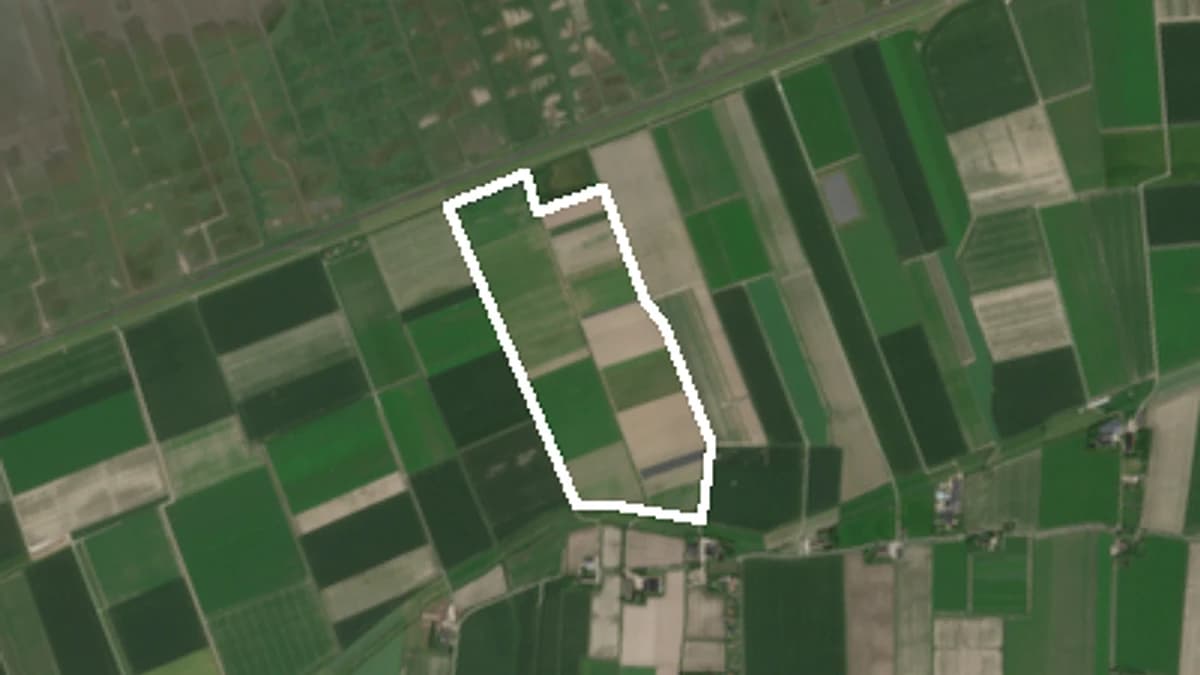
Satellite
Free, every five days, archive back to 2017. Greenness, season length, bare-soil days, and how fast a place recovered from the droughts of 2018, 2020 and 2022. Computed here from Copernicus Sentinel-2 for any polygon on Earth.
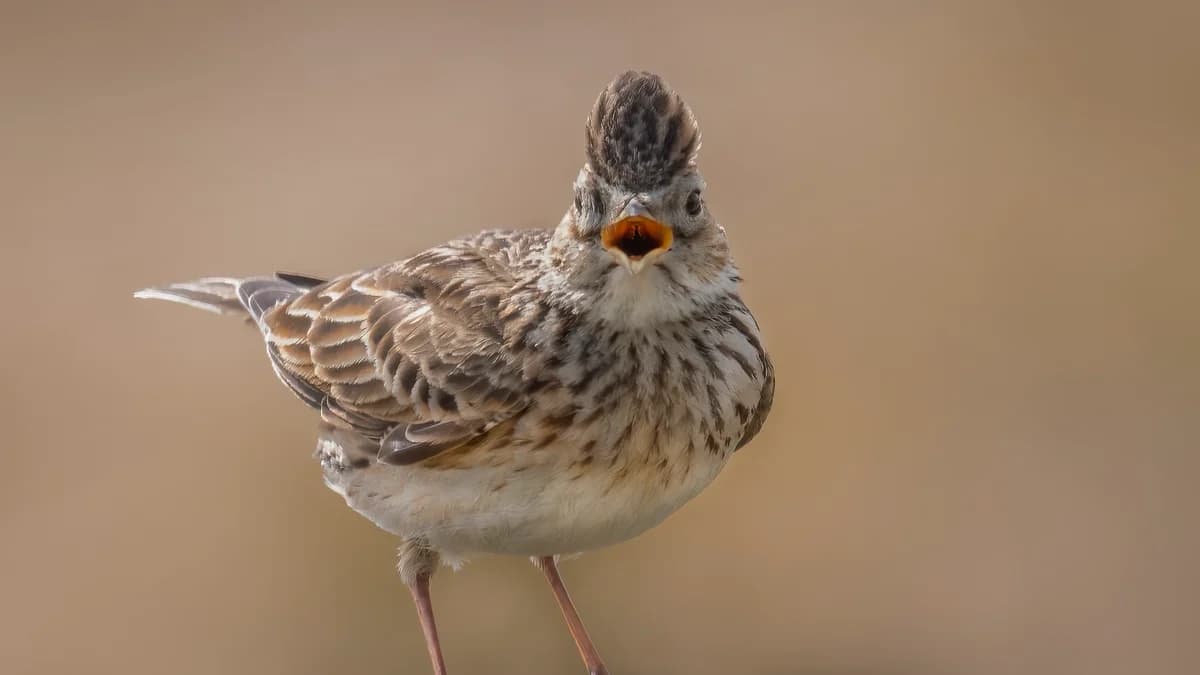
Sound recorder
One box per ~20 hectares, installed once. Birds and bats are the insect sensor; breeding song is the renewal signal; tractor noise is the management signal. Species recognition runs in the box, so only detections leave the field.
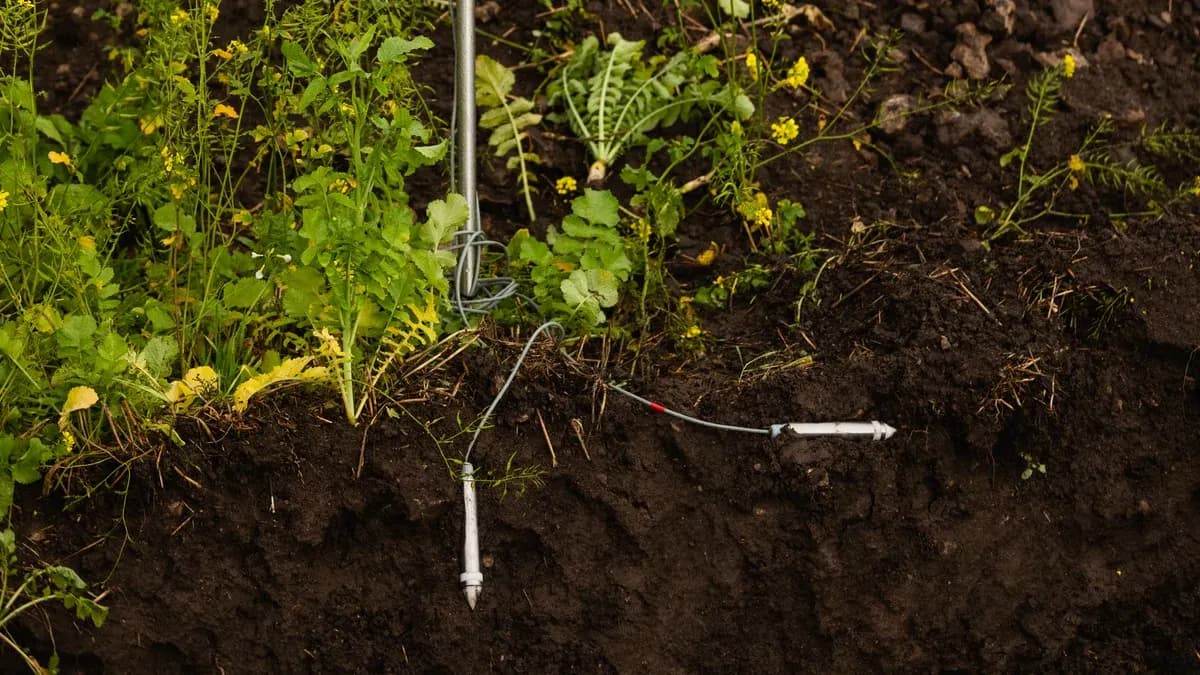
Soil probe
One probe per field, installed once. Moisture and temperature give the rate at which the soil is breathing. In the standard kit the probes are wired into the same box, which carries both streams over its own 4G link. LoRaWAN uplinks through The Things Stack are accepted too.
Images. Satellite: Sentinel-2 scene S2A_32ULE_20250612, 12 June 2025, 0.01% cloud, computed here from Copernicus data, the parcel drawn from its registered boundary (Horaholm). Skylark: caroline legg, CC BY 2.0. Soil probes: MKose, CC BY 4.0, cropped.


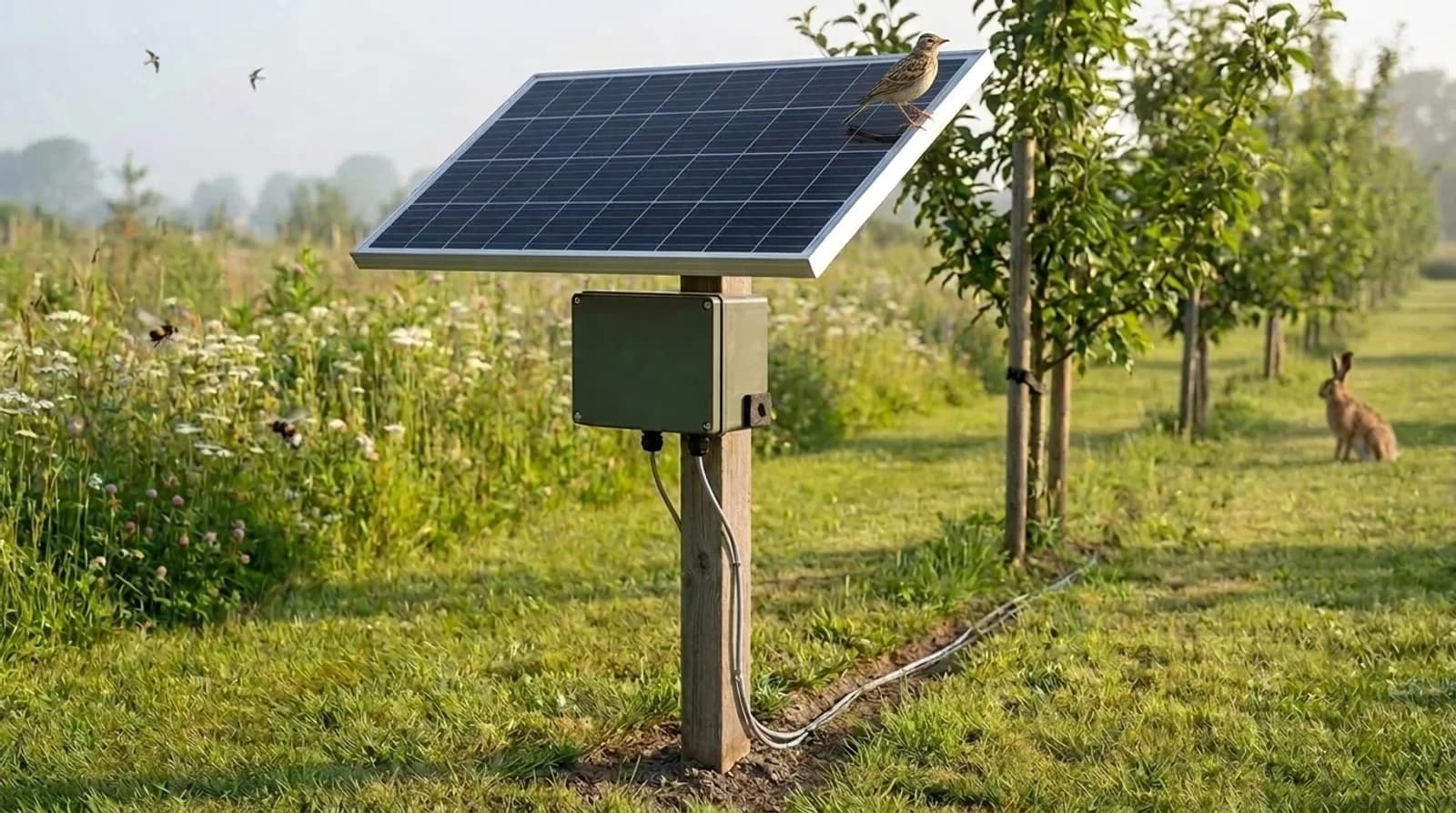
The Life Node: one box that runs by itself
A Life Node needs nothing from the place it stands in: no power line, no WiFi, no farm network, and nobody coming by to change batteries or memory cards. It hears, measures and reports on its own, so the network grows one post at a time instead of one installation at a time.
Why that scales. Measuring networks usually grow as fast as their infrastructure and their rounds: a gateway per farm, power to every post, someone collecting cards. A Life Node brings its own power and its own connection and keeps running without anyone fetching cards or changing batteries, so adding a place means adding a post. Every node is built to the same open plan, runs the same software image and is read by the same rules, so a thousand nodes are one network, not a thousand projects.
The picture is an impression of the design, not a photograph. The first node runs on a bench in Amsterdam: what it hears.
- Its own powerA 40 W panel and a 20 Ah battery. A small scheduler wakes the box for its listening hours and puts it to sleep after. Below 12.6 V it shuts itself down cleanly, and it starts again once the sun has lifted the battery above 13.2 V.
- Its own 4GOne 4G stick on a €13 SIM that lasts ten years: no WiFi, no gateway, no monthly fee. Where a phone has signal, a node can stand, in the middle of a field or a food forest. It reports what it heard, and how it is doing, several times a day.
- It names what it hearsBirdNET runs inside the box, so only the names of the birds and bats leave the field, never the sound. That keeps the people on the land private and the data to a few kilobytes a day.
- More than birdsBirds from dawn, bats after sunset with an ultrasonic microphone, and two probes for the moisture and warmth of the soil at 10 and 30 cm. The Life Oracle adds what satellites see: three witnesses, one verdict.
- It watches over itselfA tamper alarm with a 100 dB siren on the lid, the panel and tilting. The oracle raises a flag when a node moves to another cell tower, goes quiet for 36 hours or runs low on battery.
- Open, and cheap enough to repeatAbout €809 in parts, the SIM for ten years included: about €81 a year, with no routine visits. Every part, shop and price is published, and the software and the build guide are open. Where the other listening boxes fit best, and what each costs with its visits counted: how it compares.
Why
Money, policy and software agents optimise hard against whatever they can measure, and what they can measure about life is almost nothing. So they optimise proxies, tons of carbon, trees planted, hectares restored, and the proxy gets delivered without the thing. As long as life cannot answer for itself, every optimiser on Earth keeps pulling away from it. This project gives a place a cheap, fast, hard-to-fool way to say whether life there is thriving, so that the same pressure can be turned from extracting from life to regenerating it.
What an oracle is
Anything that tells you, cheaply and reliably, whether an attempt worked. Software has the compiler, finance has the ledger, carbon has registries. Life has nothing, which is why life keeps losing. A life oracle cannot be a better metric, because every metric is gamed the moment money points at it. It has to be a different structure: the measured behaviour of the living system, read by several witnesses that cannot compare notes, with the weakest one deciding.
What is different here
Eight claims, each marked new or inherited, with the evidence in Prior art. The long form is in the green paper.
- 1Life is the measure, and life answersThe verdict is what the living system does, not what people put in. Trees planted and euros spent get gamed; breeding birds, breathing soil and recovery after drought do not.Framing new
- 2The weakest reading is the verdict, and unknown is a readingNothing is summed, so nobody buys diversity with carbon or greenness with fertiliser. Low confidence means insufficient, do not pay.Rule inherited from water law and IUCN; unknown blocking payment new
- 3Three cheap witnesses, one verdictSatellite, sound and soil are each easy to fool alone. Faking all three in step with the seasons is growing an ecosystem.Not found elsewhere
- 4Proof cheap enough for twelve hectaresFree satellite for every place, one box on one post for the rest, no farm network, no monthly fee. Payment can follow a single field.No vendor sells the device
- 5Disagreement sends a human, not a calendarCores and counts are ordered when the streams contradict each other, plus a random draw. Expensive measurement becomes the exception.Not found as a framework rule
- 6It gets more trustworthy as it growsEvery place is read against its own history and the crowd of neighbours on the same soil. Ten thousand places subtract a dry summer.Reference crowds inherited; neighbour crowd specified, not built
- 7It rewards the wild and keeps humans inA place that holds itself scores at least as well as one held up by constant care. Humans are a population inside the readings.Framing new
- 8It publishes its own errorsEvery method version is scored later against what actually happened, and the gap is public.Not found in nature monitoring; specified, not running
Not on this list on purpose: a new credit, a new token, a new platform. The oracle publishes readings and is paid by those who read them, never by those it measures. How a place could earn.