Life Node at Bench, Tolhuisweg
What the box measured and how it was doing, over time. Nothing here is modelled: every point is a post the node made. Times are local to the place (Europe/Amsterdam); the grey bands are nights. The location is shown to within 7 km.
Last heard here
the 5 most recent species, newest first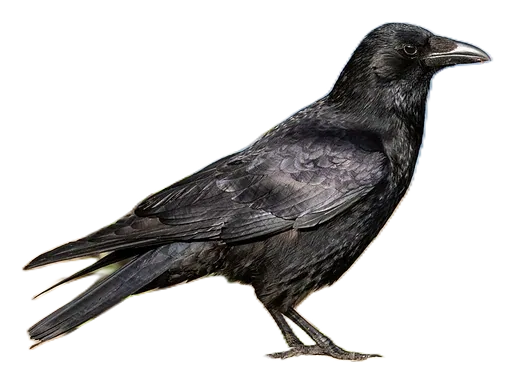
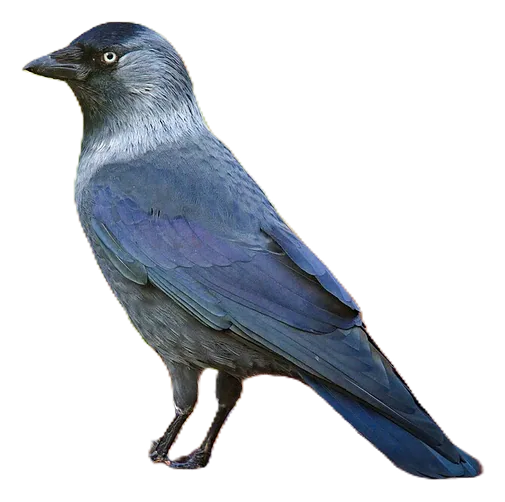
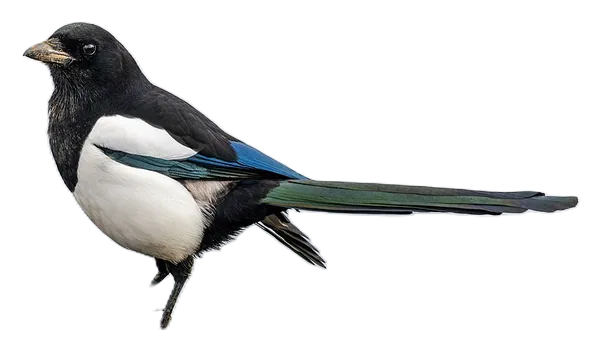
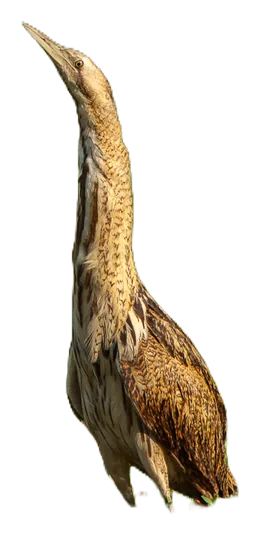
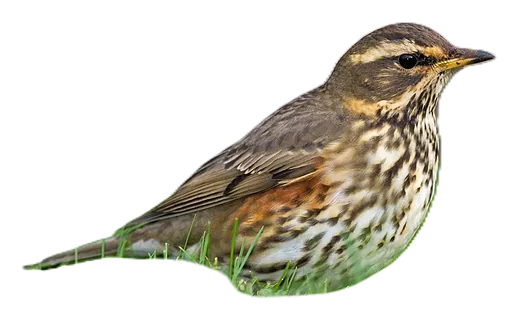
Photos from Wikimedia Commons, cut out here: Carrion Crow by Alexis Lours (CC BY 4.0) · Eurasian Jackdaw by hedera.baltica from Wrocław, Poland (CC BY-SA 2.0) · Common Magpie by Alexis Lours (CC BY 4.0) · Great Bittern by Francesco Veronesi from Italy (CC BY-SA 2.0) · Redwing by Andreas Trepte (CC BY-SA 2.5)

.jpg)

.jpg)

Life index
One verdict for this place, read from three streams on one timeline. The seven readings are never summed: the weakest decides, and a stream that has not spoken yet makes the verdict insufficient, on purpose. The satellite has watched since 2019; sound and soil began when the node arrived.
Satellite: 321 clear Sentinel-2 scenes since 2019, computed here from Copernicus data. Sound: species recognised in the box (BirdNET-Go); only names leave the field. Soil: moisture and temperature from the probe at 10 cm; the activity in the readout is what the weather allows soil life to do (Q10 of 2, moisture from water-filled pore space or an optimum of 30% from the soil texture); the cycling reading takes its direction from lab samples or a flux probe, not from this. Method: the spec.
Heartbeats
Every post the box made. It posts three minutes after a start, every three hours after that, and once more when it switches itself off. A silence after a shutdown is sleep; a silence without one means a post went missing.
Soil
2 probes, read every twenty minutes and sent with the next post. On a desk a probe in the air reads 0% moisture.
The box itself
From the heartbeat: the battery it runs on, how warm it is inside, and what it draws. The battery is a 12.8 V LiFePO4; under 12.0 V at rest the last tenth of the charge is left, and at 12.8 V it is comfortably back.
Sound
What the microphone recognised. Species recognition runs in the box; only the names leave the field. The grid is the last fourteen days by hour of the day, so a dawn chorus shows as a dark column.
| Species | today | 7 days | all | sure | last heard |
|---|---|---|---|---|---|
| Great Bittern Botaurus stellaris | 17 | 17 | 99% | Mon 12 Oct 12:15 | |
| Eurasian Jackdaw Coloeus monedula | 15 | 15 | 96% | Mon 12 Oct 14:39 | |
| Carrion Crow Corvus corone | 5 | 5 | 87% | Mon 12 Oct 15:17 | |
| Redwing Turdus iliacus | 5 | 5 | 96% | Mon 12 Oct 11:46 | |
| Common Magpie Pica pica | 3 | 3 | 99% | Mon 12 Oct 14:16 | |
| Dunnock Prunella modularis | 1 | 1 | 87% | Mon 12 Oct 10:52 | |
| Long-tailed Tit Aegithalos caudatus | 1 | 1 | 78% | Mon 12 Oct 10:45 |
Not counted: 46 test detections from Sat 19 Sep to Sun 11 Oct, made while the node was built. They show the box worked; they say nothing about the place.